Chisholm’s Bill to Overturn Maryland’s Climate Nandates
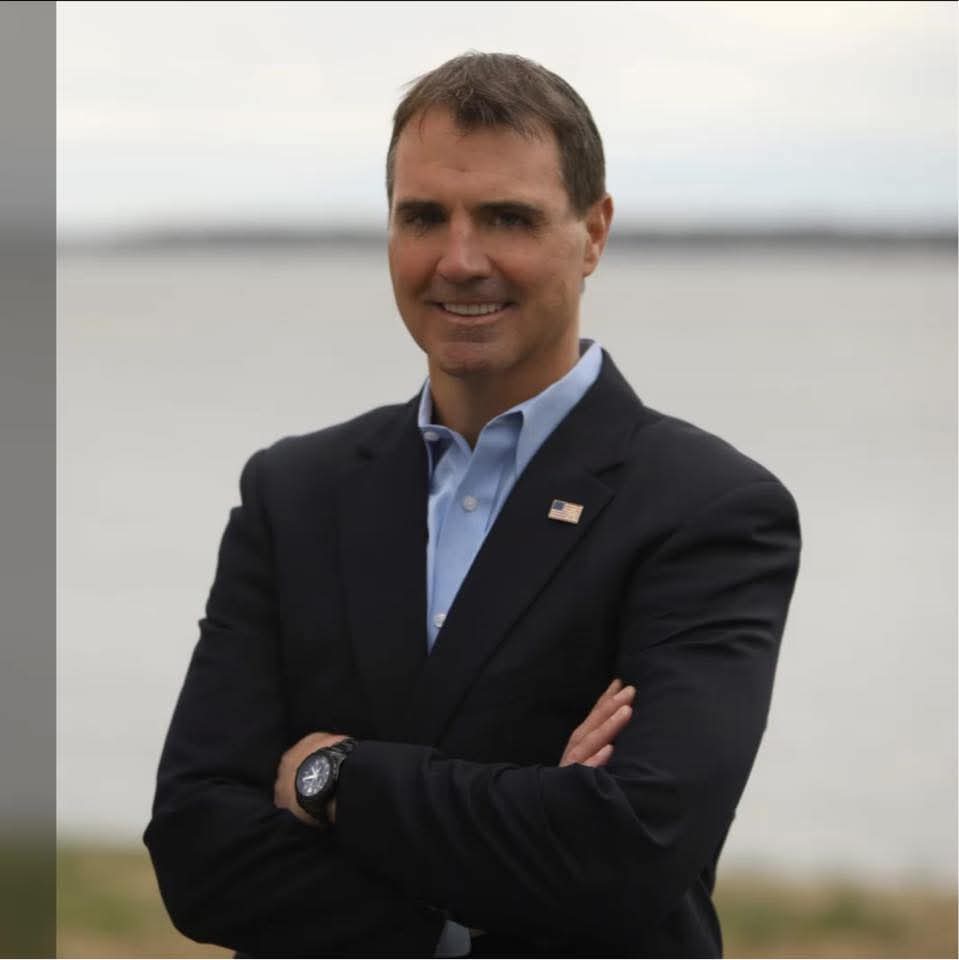
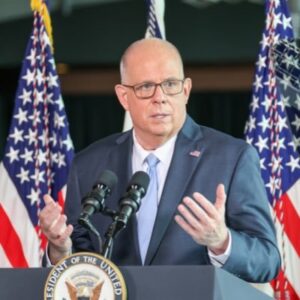
Delegate Brian Chisholm says
Maryland’s climate mandates are crushing families and he is introducing Climate Solutions Affordability Act of 2026 to offers relief. He released the following information.
Imagine opening your monthly utility bill (never mind, just open the one you have now) and seeing another astronomically high bill, adding thousands to your cost of living expenses this year alone.
That’s the reality for BGE customers in Maryland, where families like yours are choosing between keeping the lights on and putting food on the table. Our state’s ambitious climate goals, set by the 2022 Climate Solutions Now Act, may have been well intentioned but devastating in practice.
They’re driving up energy costs, straining local budgets, and threatening jobs without the flexibility to adapt to economic realities.
As the sponsor of HB79 – The Climate Solutions Affordability Act of 2026, I’m fighting to change that. This isn’t about eliminating the commitment to a cleaner Maryland; it’s about making sure we get there without bankrupting families along the way.
This Bill adds a commonsense clause: implement these mandates “to the extent economically practicable.” It’s a safety valve that protects taxpayers while keeping us on track for sustainability.
My first instinct was to hit the big red ‘repeal’ button on the Climate Solutions Now Act.
Then I looked around the chamber and said, ‘Okay, let’s try reality first. So, I went with the adult version of fixing what’s broken.
The Climate Solutions Affordability Act of 2026 adds one common-sense safeguard across major climate mandates:
Implementation must occur “to the extent economically practicable.”
That means agencies must consider real-world costs before forcing compliance, not after families receive higher bills.
It applies to:
• School bus electrification
• State vehicle mandates
• Building emissions standards
• Utility and infrastructure projects
• Green construction codes
• Low-carbon electricity procurement
Maryland Families Are Already Paying More:
Maryland ranks among the highest-taxed and highest-cost states in America.
Electric bills continue to rise. BGE customers alone are facing another monthly increase this year. Meanwhile, state agencies estimate climate compliance will require billions in new infrastructure spending costs that ultimately land on ratepayers and taxpayers.
When policymakers ignore affordability and reliability, families and businesses don’t just get hit with massive price increases; they get hit with rolling outages and an unstable grid.
The School Bus Reality:
Electric school buses can cost up to $400,000 each, two to three times more than diesel, before charging infrastructure is even added.
Many counties cannot afford this without unreliable federal grants. HB 79 prevents unfunded mandates that force local governments to raise taxes or cut services.
Buildings and State Fleets Face the Same Problem:
Electric vehicles cost more upfront. Net-zero building requirements force expensive retrofits on homeowners and small businesses.
At a time when Maryland is already losing jobs to lower-cost states, piling on regulatory costs is economic self-sabotage.
This Is Not Anti-Environment:
HB 79 does not repeal climate goals. It makes them achievable.
I would argue that our climate goals aren’t science-based, but they are arbitrary and capricious, which sounds less like policy and more like a bad dating profile. The climate deadlines set by the Climate Solutions Act Now Bill of 2022 look less like careful planning and more like someone yelling ‘NOW!’ and hoping the grid figures it out.
Climate policy that ignores affordability is not good governance.
The Bottom Line:
Marylanders care about the environment but they also care about paying their bills. HB 79 puts families first by rejecting one-size-fits-all mandates and restoring common sense to climate policy. We don’t need bigger government and higher energy costs to be good stewards of the environment.
That’s why HB79, The Climate Solutions Affordability Act of 2026, is critically important and deserves your support. It is Step One of a four-step plan to bring electricity prices down across Maryland this legislative session.